


Archivio Giorgio Griffa was founded by Giorgio in 2016 to document and to protect his body of work, and to support museums, collectors and scholars
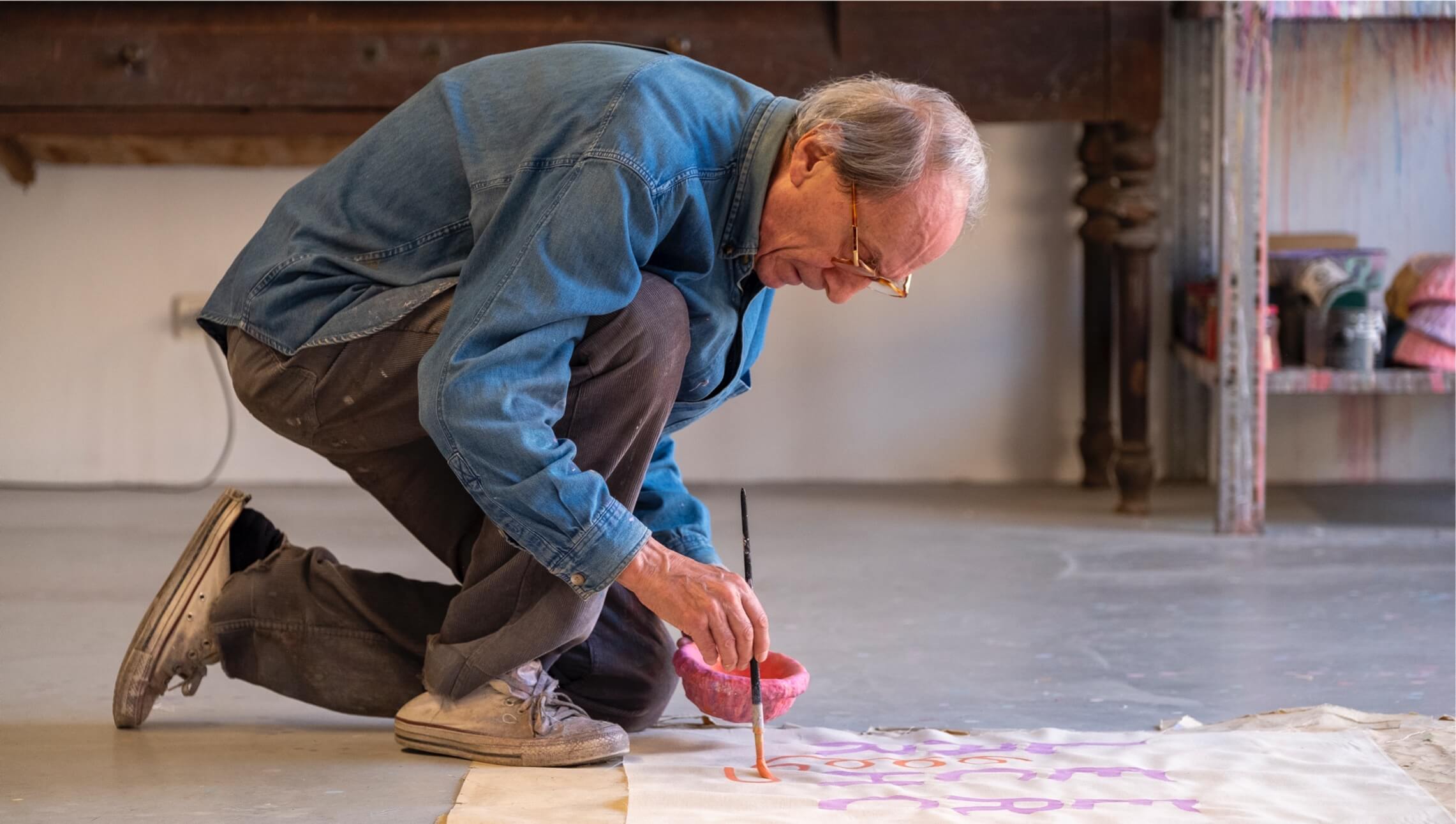
Giorgio at work, 2020, photo: Giulio Caresio
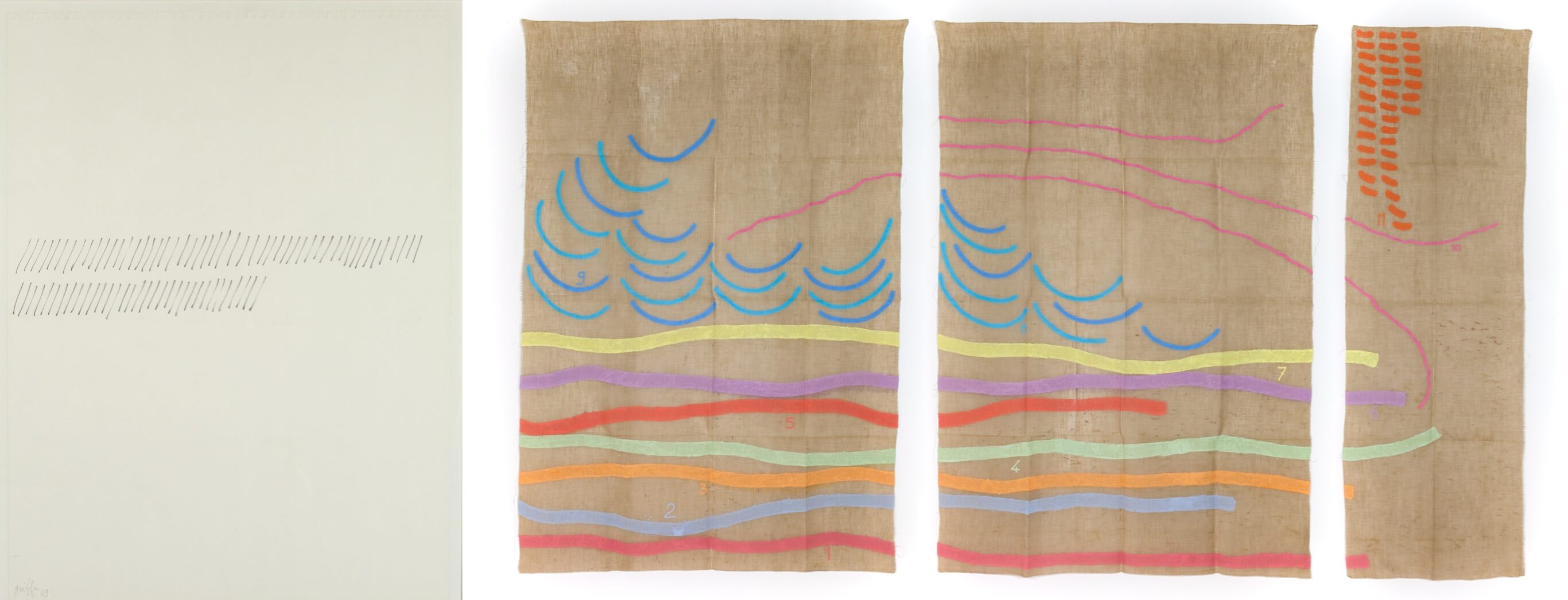
Obliquo, pencil on paper, 1969, 55x41 cm, photo: Giulio Caresio
Undici segni, acrylic on canvas, 1999, 290x520 cm, photo: Giulio Caresio
Undici segni, acrylic on canvas, 1999, 290x520 cm, photo: Giulio Caresio
Obliquo, pencil on paper, 1969, 55x41 cm, photo: Giulio Caresio
Undici segni, acrylic on canvas, 1999, 290x520 cm, photo: Giulio Caresio
Undici segni, acrylic on canvas, 1999, 290x520 cm, photo: Giulio Caresio
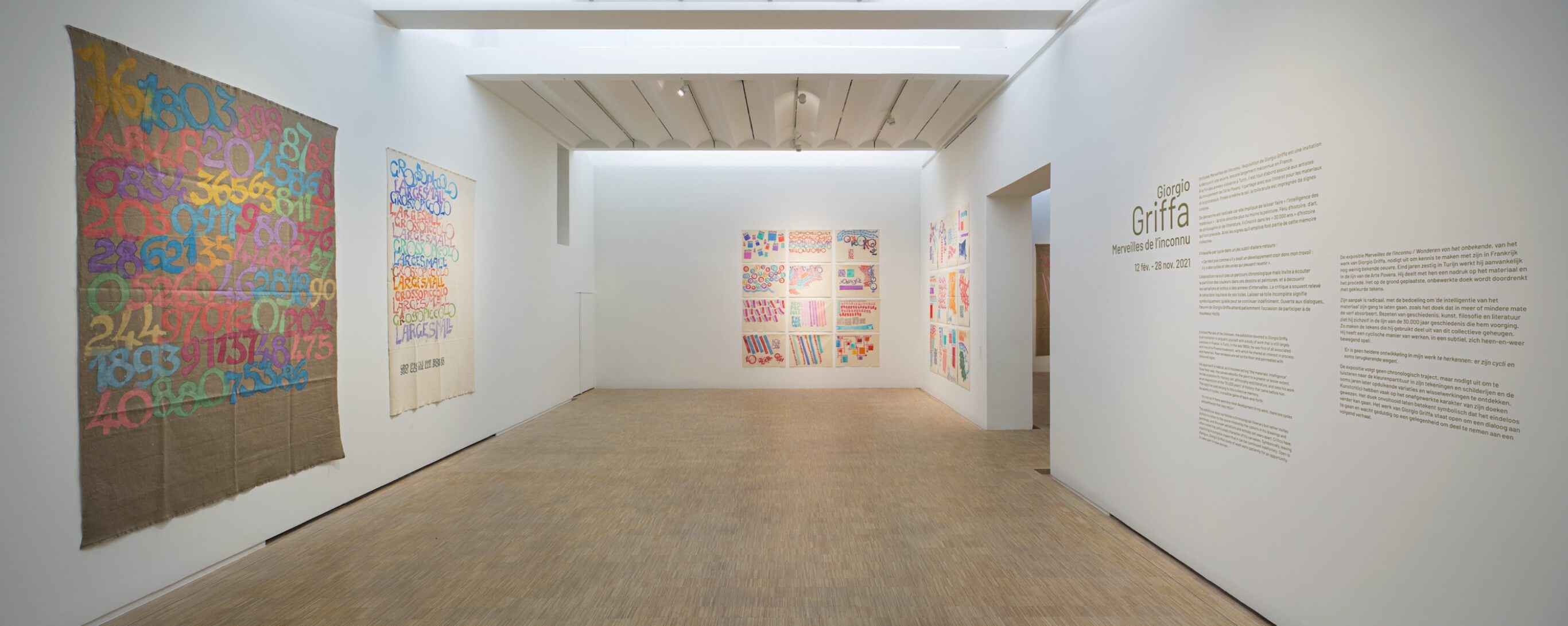
Installation view, Les Merveilles de l'inconnu,
LaM, Lille, 2021, photo: Nicolas Dewitte
LaM, Lille, 2021, photo: Nicolas Dewitte
Installation view, Les Merveilles de l'inconnu, LaM, Lille, 2021, photo: Nicolas Dewitte
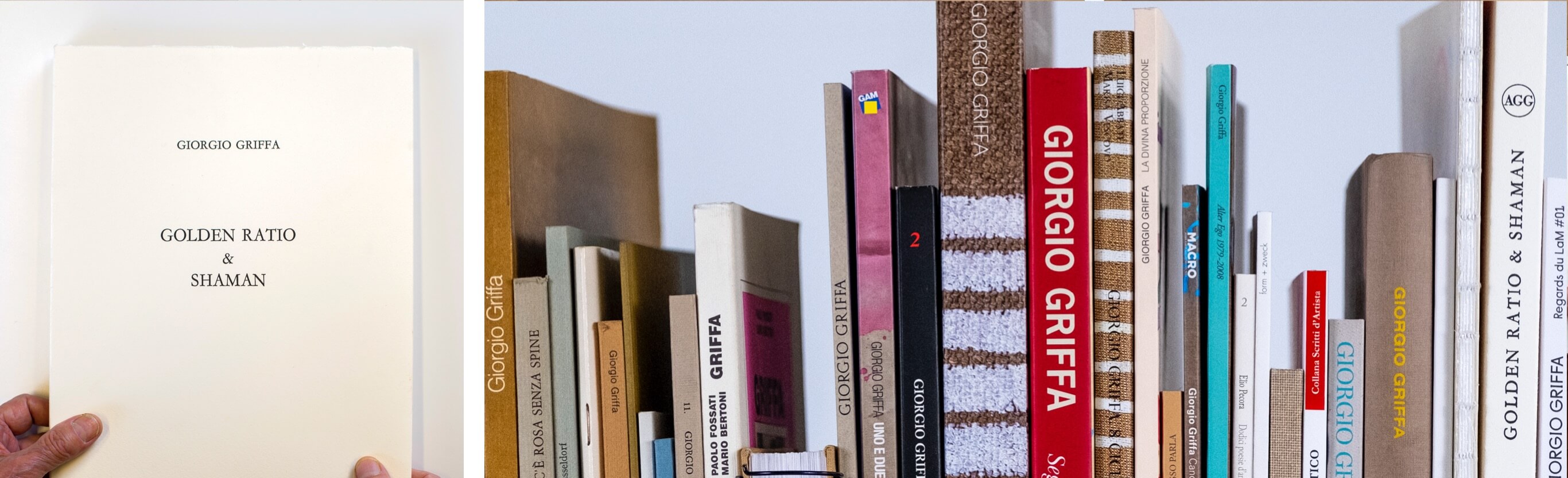
Giorgio Griffa, Golden ratio & Shaman, Archivio Giorgio Griffa & Colophon Arte, 2018
Giorgio Griffa books detail, photo: Giulio Caresio
Giorgio Griffa books detail, photo: Giulio Caresio
Giorgio Griffa, Golden ratio & Shaman, Archivio Giorgio Griffa & Colophon Arte, 2018
Giorgio Griffa books detail, photo: Giulio Caresio
Giorgio Griffa books detail, photo: Giulio Caresio